
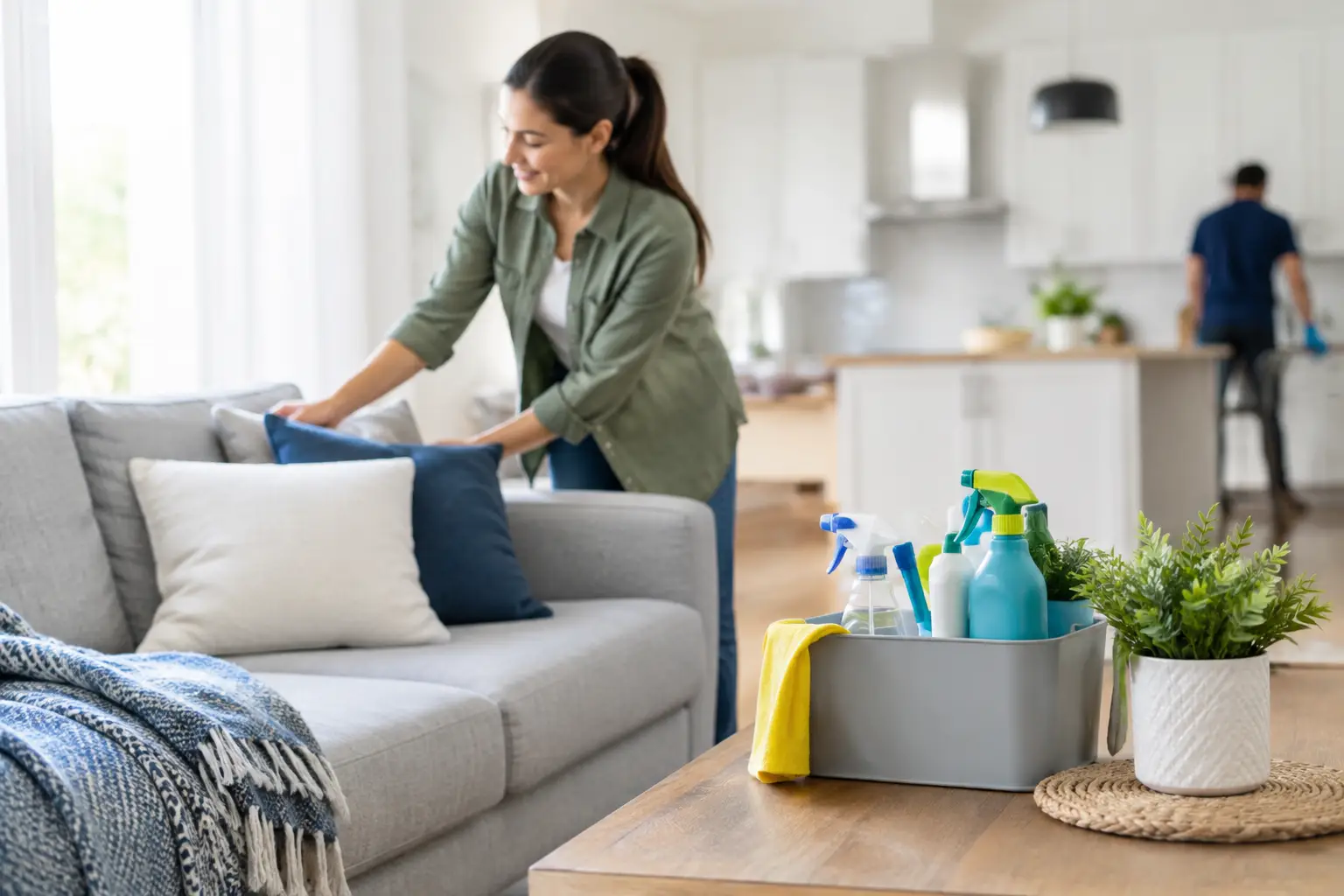
The most useful thing you can do before a cleaner arrives is not scrub the kitchen or polish the bathroom. It is to make the home workable. Knowing how to prepare for professional house cleaning means your cleaner can spend their time where it makes the greatest difference - leaving rooms fresher, more orderly and ready for you to enjoy.
A little preparation also helps build the kind of consistent, respectful routine that makes regular cleaning feel easy. You do not need a perfect house before your appointment. You simply need to make a few practical decisions so your cleaner knows what matters to you and can clean safely and thoroughly.
Decide what you would most like help with
Every household uses its space differently. For one family, a clean kitchen after a busy week is the priority. For another, it may be bathrooms, pet hair in the living room or keeping bedrooms calm and comfortable. Before the first visit, take a moment to think about the areas that affect your day-to-day life most.
Be clear about whether you are booking a regular clean, a one-off deeper clean or help before an occasion such as guests staying over. A regular clean usually concentrates on maintaining the home, while a deeper clean may allow more time for build-up in places such as skirting boards, inside cupboards or behind furniture. What can be included depends on the time booked, the condition of the property and what has been agreed in advance.
It can help to make a short note of your priorities. You do not need a long set of instructions for every room. A simple message such as “please focus on the bathrooms and kitchen this week” gives your cleaner useful direction without adding unnecessary pressure.
Tidy surfaces so cleaning can begin straight away
Cleaners are there to clean, rather than sort through personal belongings. Clearing everyday clutter from floors, worktops, tables and bathroom surfaces gives them better access and helps protect your possessions.
Put away loose paperwork, clothes, children’s toys, cosmetics and small electrical items where possible. This is not about making the home look presentable for someone else. It is about allowing more of your booked time to go towards cleaning rather than moving items from one place to another.
In the kitchen, consider clearing the sink and worktops. In bedrooms, pick up anything you would prefer not to have moved. If you would like beds changed, leave fresh linen out clearly and mention this beforehand. Small preparations like these can make a noticeable difference to what is achieved during the visit.
Do not feel you need to clean before the cleaner
There is a difference between tidying and pre-cleaning. You do not need to vacuum, wipe down surfaces or clean the toilet before a professional visit. Save your energy for the things that need your attention. Your cleaner is there to take meaningful household work off your hands.
If an area needs particular care because of limescale, grease, pet accidents or a spill, simply flag it. Open communication is more helpful than trying to deal with it alone just before the appointment.
Share the details that help your cleaner work safely
A good clean depends on trust, but it also depends on clear information. Let your cleaner know about anything in the home that could affect their work, particularly on an initial visit.
This may include delicate surfaces, a loose floor tile, a temperamental lock, a leaking tap or a room you would prefer not to be cleaned. Mention allergies or sensitivities to particular products, too. If you have stone worktops, untreated wood, specialist flooring or antique furniture, point this out so the right approach can be agreed.
It is also useful to say where everyday items belong if you have a preference. For example, you may want bins emptied into a particular outside bin, used cloths left in the utility room or shoes removed at the door. These details help a cleaner fit respectfully into your home routine.
Arrange access and a simple point of contact
Reliable access avoids a rushed start and gives everyone confidence about the arrangement. If you will be at home, let your cleaner know how you would like to greet them and whether you need to leave at a particular time. If you will be out, agree access in advance, whether that means a key, key safe or another secure arrangement.
Make sure your cleaner has a way to contact you if they need to check something. A mobile number is usually enough. If there are parking restrictions, a difficult entrance, a gate code or a flat buzzer that is easy to miss, share those details before the visit rather than on the day.
At Five Point Cleaning, the aim is to make domestic cleaning feel like dependable support, not another task to manage. Clear access arrangements are a small part of creating that confidence from the start.
Prepare children and pets with care
Children and pets are part of a busy home, and there is no need to apologise for that. A quick plan simply helps keep everyone comfortable while cleaning is taking place.
If possible, keep young children away from rooms where floors are being mopped or products are in use. If you work from home, consider which room you need kept quiet and whether it should be cleaned before or after a meeting. Let your cleaner know about nap times, remote calls or any areas you need to access during the appointment.
For pets, think about their usual behaviour around visitors. Some are happy to say hello, while others can be anxious, protective or underfoot. Secure pets in a comfortable room, garden or crate if needed, and mention any relevant details such as a dog that may try to slip through an open door. It is kinder for your pet and safer for everyone.
Check supplies and equipment before the visit
This depends on the service you have arranged. Some cleaners bring their own products and equipment, while others work with what is available in your home. Confirm this in advance so there are no surprises.
If you are providing supplies, make sure there are enough clean cloths, bin bags, bathroom and kitchen products, a working vacuum cleaner and a mop suitable for your flooring. It is worth checking that the vacuum has an empty bag or container and that the mop head is usable. A cleaner can often work around small gaps, but missing essentials may limit what can be completed.
Tell your cleaner if you would like environmentally considerate products used, or if fragrance-free options are important in your household. The right choice often comes down to allergies, children, pets and personal preference rather than one product being right for every home.
Set realistic expectations for the time booked
Professional cleaning can transform the feel of a home, but the amount that can be completed will always depend on the size of the property, the condition of each room and the hours available. A three-bedroom family home with two bathrooms and a busy kitchen will need a different plan from a small flat used by one person.
For a first clean, your cleaner may need to spend more time on areas that have not had regular attention. Once a routine is established, visits can focus more effectively on maintaining the standard you enjoy. If you have a long list of occasional jobs, such as cleaning inside the oven or inside cupboards, discuss them beforehand rather than assuming they can be fitted into a standard appointment.
The best arrangements are honest and practical. Focus on what will make the biggest difference to your week, then adjust the routine as you learn what works for your household.
Make each visit easier over time
After the first few appointments, you will usually find a rhythm. You may prefer a quick message before each visit, a regular order for rooms or a note of any changing priorities. Keeping a small basket for loose items can make pre-visit tidying quicker, especially in family spaces where clutter gathers fast.
You can also give feedback when something has been particularly helpful. A family-run cleaning service values those conversations because they make it easier to provide care that feels personal, not generic. Equally, if something needs doing differently, it is best to mention it promptly and clearly.
Preparing for a professional clean should never become a major job in itself. Clear the space, share what matters, arrange access and let someone reliable take care of the cleaning - so you have more time for the people and moments that matter at home.